Scholar of the Qur'an and liberation theology, University of Johannesburg; anti-apartheid activist; former Commissioner for Gender Equality · b. 1955 · South Africa
Farid Esack (born 8 March 1955 in Wynberg, Cape Town) is a South African Muslim scholar and activist, often called the leading exponent of an Islamic theology of liberation. He co-founded The Call of Islam, the Muslim anti-apartheid organisation, was appointed Commissioner for Gender Equality by Nelson Mandela, and teaches in the Department of Religion Studies at the University of Johannesburg. In 2018 South Africa awarded him the Order of Luthuli. The Muslim 500 has listed him in most editions since 2009. [1][2]
Early life and education
He grew up poor in Cape Town; as a child he and his mother were forcibly moved under the Group Areas Act. He joined the Tablighi Jamaat at nine and was attending a madrasa at ten. By 1974, when he left on a scholarship to study in Pakistan, he chaired the local branch of the anti-apartheid National Youth Action and had been detained several times by the security police. He spent eight years at Jamia Uloom-ul-Islamia in Karachi completing the Dars-i Nizami; some of his fellow students later joined the Taliban, and his experience of discrimination against Christians in Pakistan sharpened his concern for religious minorities. [1]
Activism and scholarship
Back in South Africa in 1982 he worked with the Muslim Youth Movement and in 1984 helped form Muslims Against Oppression, renamed The Call of Islam, an affiliate of the United Democratic Front; he addressed hundreds of meetings and built inter-faith alliances against apartheid. He later took a PhD in Qur’anic hermeneutics at the University of Birmingham and studied biblical hermeneutics in Frankfurt. His Qur’an, Liberation and Pluralism (1997) argues that the Qur’an calls for solidarity with the oppressed across religious lines. He has also written On Being a Muslim (1999), the introduction The Qur’an: A User’s Guide (2005) and, with Sarah Chiddy, Islam and AIDS (2009), and has worked with Muslims living with HIV. He has taught at Harvard, Columbia, Hamburg and Gadjah Mada universities, among others. A strong critic of Israel and supporter of the Boycott, Divestment and Sanctions movement, he has been a controversial figure in debates about Palestine. [1][2][3]
Primary sources: the Muslim 500 entries and the Wikipedia article. Archived copies: the Wikipedia article (Wayback Machine copy of 30 September 2026: web.archive.org).
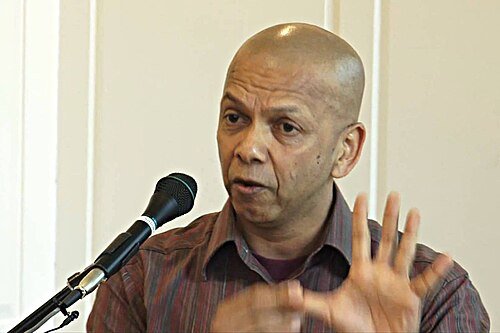
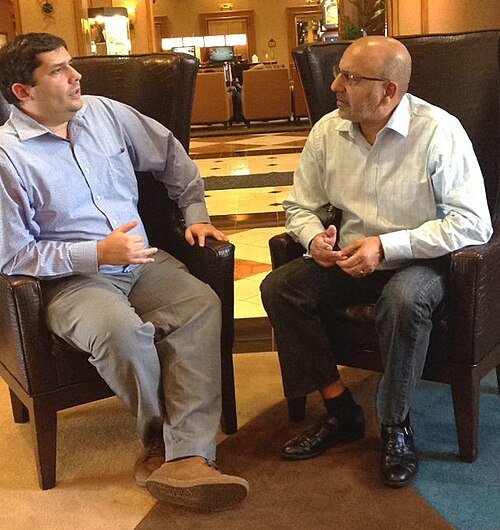
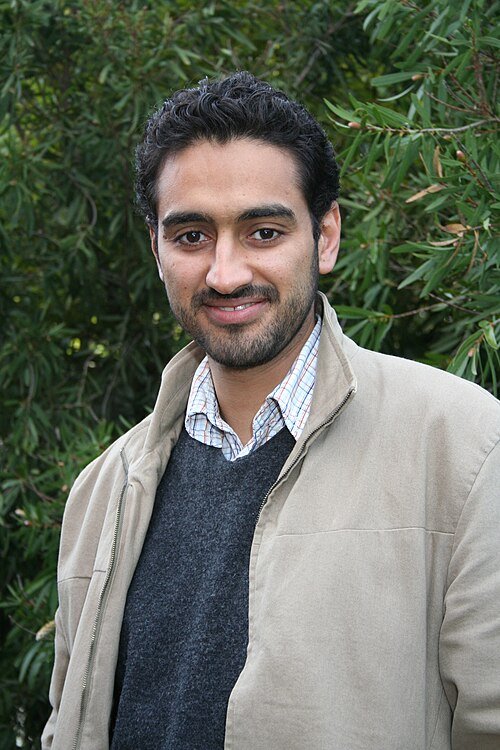
Photo: Soulofsouthafrica, CC BY-SA 4.0, via Wikimedia Commons (File:Farid Esack.jpg).
Checked: 6 November 2026. Biography compiled and added to this archive: 6 November 2026.
Esack, Farid. But Musa Went to Fir'aun! A Compilation of Questions and Answers about the Role of Muslims in the South African Struggle for Liberation. 1989. Archived 6 November 2026 in Islamic Internet Archives: Archive of Modern Islamic Thought. https://islamicarchives.org/works/farid-esack-but-musa-went-to-fir-aun-a-compilation-of-questions-and-answers-about-en/
Esack, Farid. Qur'an, Liberation and Pluralism: An Islamic Perspective of Interreligious Solidarity against Oppression. 1997. Archived 6 November 2026 in Islamic Internet Archives: Archive of Modern Islamic Thought. https://islamicarchives.org/works/farid-esack-qur-an-liberation-and-pluralism-an-islamic-perspective-of-interreligio-en/
Esack, Farid. On Being a Muslim: Finding a Religious Path in the World Today. 1999. Archived 6 November 2026 in Islamic Internet Archives: Archive of Modern Islamic Thought. https://islamicarchives.org/works/farid-esack-on-being-a-muslim-finding-a-religious-path-in-the-world-today-en/
Esack, Farid. The Qur'an: A User's Guide. 2005. Archived 6 November 2026 in Islamic Internet Archives: Archive of Modern Islamic Thought. https://islamicarchives.org/works/farid-esack-the-qur-an-a-user-s-guide-en/
Esack, Farid. Islam and AIDS: Between Scorn, Pity and Justice. 2009. Archived 6 November 2026 in Islamic Internet Archives: Archive of Modern Islamic Thought. https://islamicarchives.org/works/farid-esack-islam-and-aids-between-scorn-pity-and-justice-en/
Scholar of the Qur'an and liberation theology, University of Johannesburg; anti-apartheid activist; former Commissioner for Gender Equality · b. 1955 · South Africa
Known for: Scholar of the Qur'an and liberation theology, University of Johannesburg; anti-apartheid activist; former Commissioner for Gender Equality
Era: Revival & Independence (1947–1979); Global Islamic Resurgence (1979–2000); Contemporary Islam (2000–today)
Subjects: Political thought, Qurʾānic studies, Islam and modernity, Family and society
Works in this archive: 5
Farid Esack (born 8 March 1955 in Wynberg, Cape Town) is a South African Muslim scholar and activist, often called the leading exponent of an Islamic theology of liberation. He co-founded The Call of Islam, the Muslim anti-apartheid organisation, was appointed Commissioner for Gender Equality by Nelson Mandela, and teaches in the Department of Religion Studies at the University of Johannesburg. In 2018 South Africa awarded him the Order of Luthuli. The Muslim 500 has listed him in most editions since 2009. [1][2]
Early life and education
He grew up poor in Cape Town; as a child he and his mother were forcibly moved under the Group Areas Act. He joined the Tablighi Jamaat at nine and was attending a madrasa at ten. By 1974, when he left on a scholarship to study in Pakistan, he chaired the local branch of the anti-apartheid National Youth Action and had been detained several times by the security police. He spent eight years at Jamia Uloom-ul-Islamia in Karachi completing the Dars-i Nizami; some of his fellow students later joined the Taliban, and his experience of discrimination against Christians in Pakistan sharpened his concern for religious minorities. [1]
Activism and scholarship
Back in South Africa in 1982 he worked with the Muslim Youth Movement and in 1984 helped form Muslims Against Oppression, renamed The Call of Islam, an affiliate of the United Democratic Front; he addressed hundreds of meetings and built inter-faith alliances against apartheid. He later took a PhD in Qur’anic hermeneutics at the University of Birmingham and studied biblical hermeneutics in Frankfurt. His Qur’an, Liberation and Pluralism (1997) argues that the Qur’an calls for solidarity with the oppressed across religious lines. He has also written On Being a Muslim (1999), the introduction The Qur’an: A User’s Guide (2005) and, with Sarah Chiddy, Islam and AIDS (2009), and has worked with Muslims living with HIV. He has taught at Harvard, Columbia, Hamburg and Gadjah Mada universities, among others. A strong critic of Israel and supporter of the Boycott, Divestment and Sanctions movement, he has been a controversial figure in debates about Palestine. [1][2][3]
Primary sources: the Muslim 500 entries and the Wikipedia article. Archived copies: the Wikipedia article (Wayback Machine copy of 30 September 2026: web.archive.org).
Photo: Soulofsouthafrica, CC BY-SA 4.0, via Wikimedia Commons (File:Farid Esack.jpg).
Checked: 6 November 2026. Biography compiled and added to this archive: 6 November 2026.